ORPI - Redesigning a digital ecosystem
Overview
Oversaw the design development of a new real estate digital platform with enhanced user interaction and better competitiveness.
Context
ORPI France has the largest real estate network, with 1200 branches and a critical problem: in a fast-moving competitive marketplace, with the rise of digital competitors such as Le Bon Coin, the ORPI digital footprint was stale and fragmented.
Timeline
2015-2016
Goals
Provide seamless real estate fulfillment for the user and the agents with aligned services as a transparent, customer-centered company, advocating for ORPI's leadership positioning as the top innovative digital real estate service provider.
Users did not get access to a modernized digital engagement ecosystem: real estate agents workflow tools, user transaction funnels, and intuitive navigation. The Ecosystem as a whole suffered from digital disengagement, erosion, and gaps in operational agility.
Role & Approach
As a senior designer, I defined the design vision and strategy, and led the design team in production while ensuring alignment with business objectives.
I served as a player-coach, executing design work while building design systems and coordinating across product, sales, and engineering.
Discovery & Research
Executed market and user research, personae creation, content ranking workshops, and interviews with prospects, clients, and agents.
I studied usage analytics and analytics trends over the journeys to pains in the existing journeys.
Strategy Definition
I structured the ecosystem around key user journeys: property search → agency contact, estimate → sell, and search → buy. This framework made it possible to manage all key templates consistently across the platform.
Design Direction
Set core principles of simplicity, transparency, and empowerment.
Built frameworks to maintain cross-platform efficiency and brand evolution goals at the same time.
Execution
- Allocated the junior UX designers the granular focus of the template design.
- Prioritized production sprints which feature user-tested and validated components at next iterations.
- Design quality control and monitoring integration of iterative feedback to the process.
Key Decisions & Trade-Offs
First, we prioritized optimized user journeys for agents over breadth of features. Focus over feature creep. Second, we invested in geolocation and advanced search capabilities despite technical complexity — the payoff in user satisfaction justified it. Third, we built templates as modular components, which enabled us to scale across devices and regions without losing brand consistency.
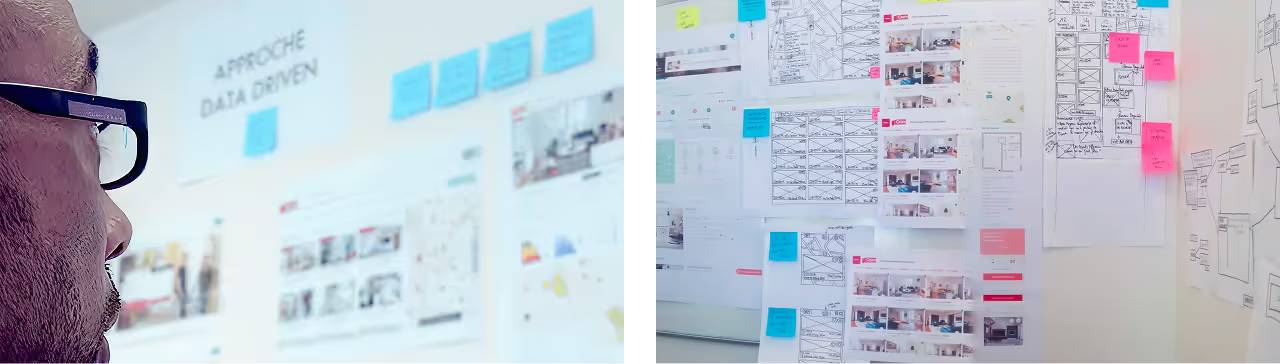
Wall
Results
• New user engagements through multi-criteria advanced search tools and customized client space.
• Updated back-office tools helped agents more since their workflows were fitted.
• Supported ORPI's competitive positioning by introducing new services such as digital property valuations and free ad posting between users.
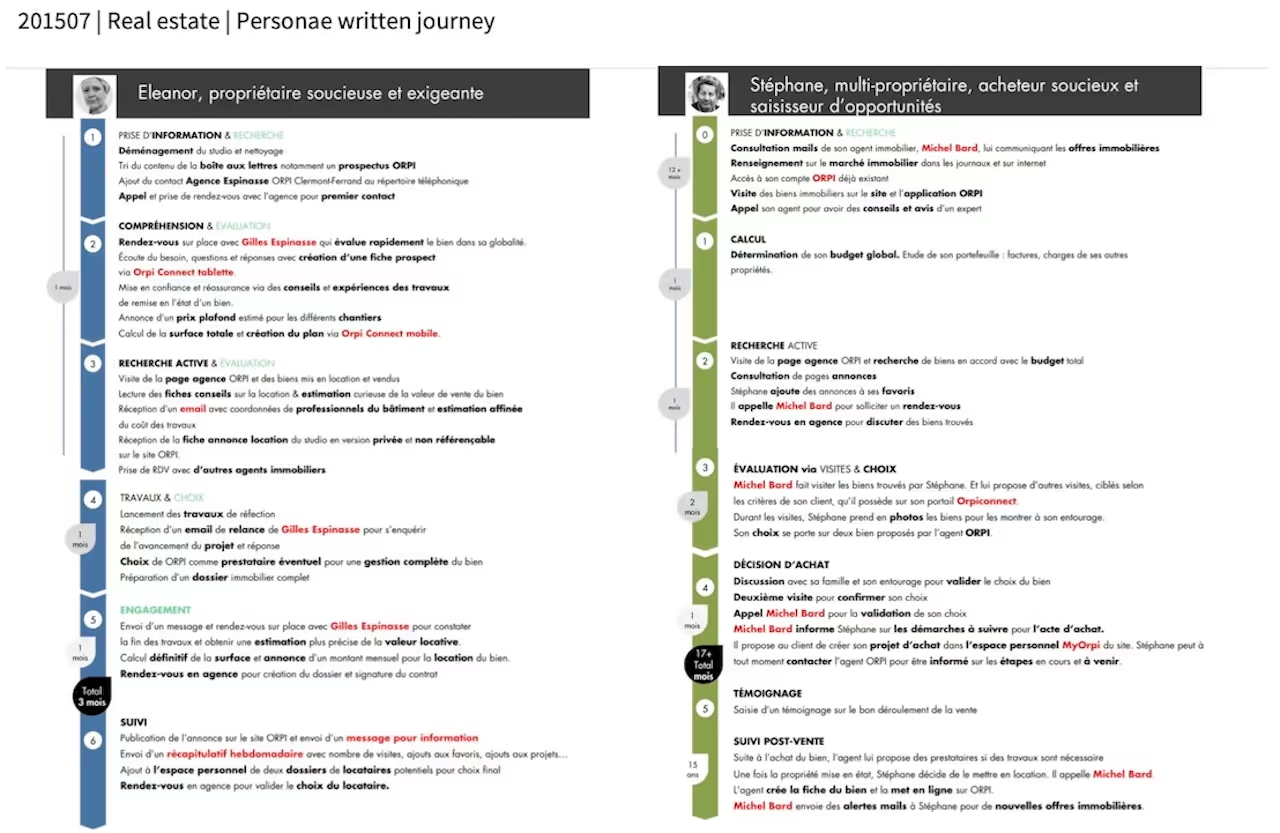
Journey
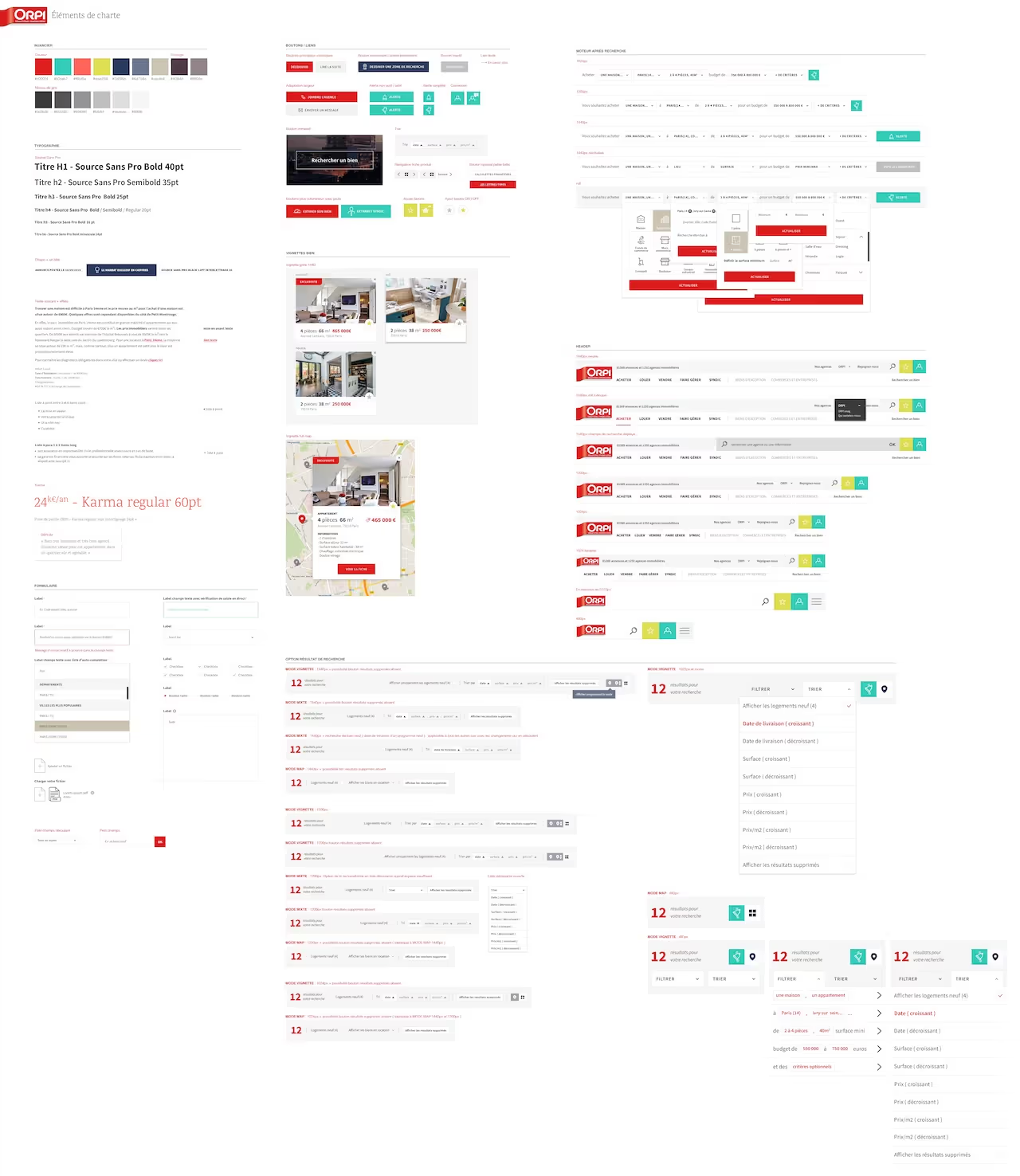
UI
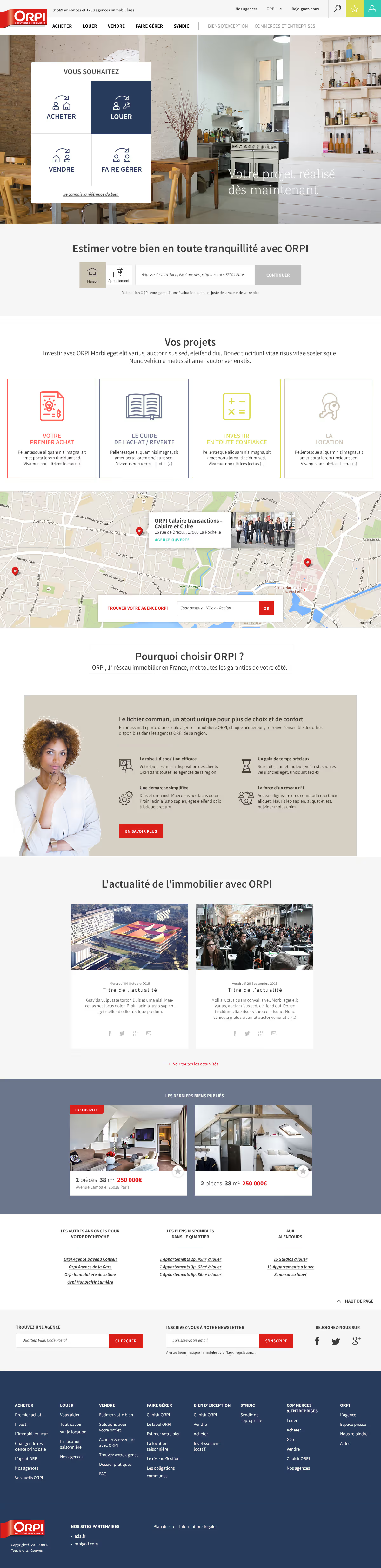
Homepage
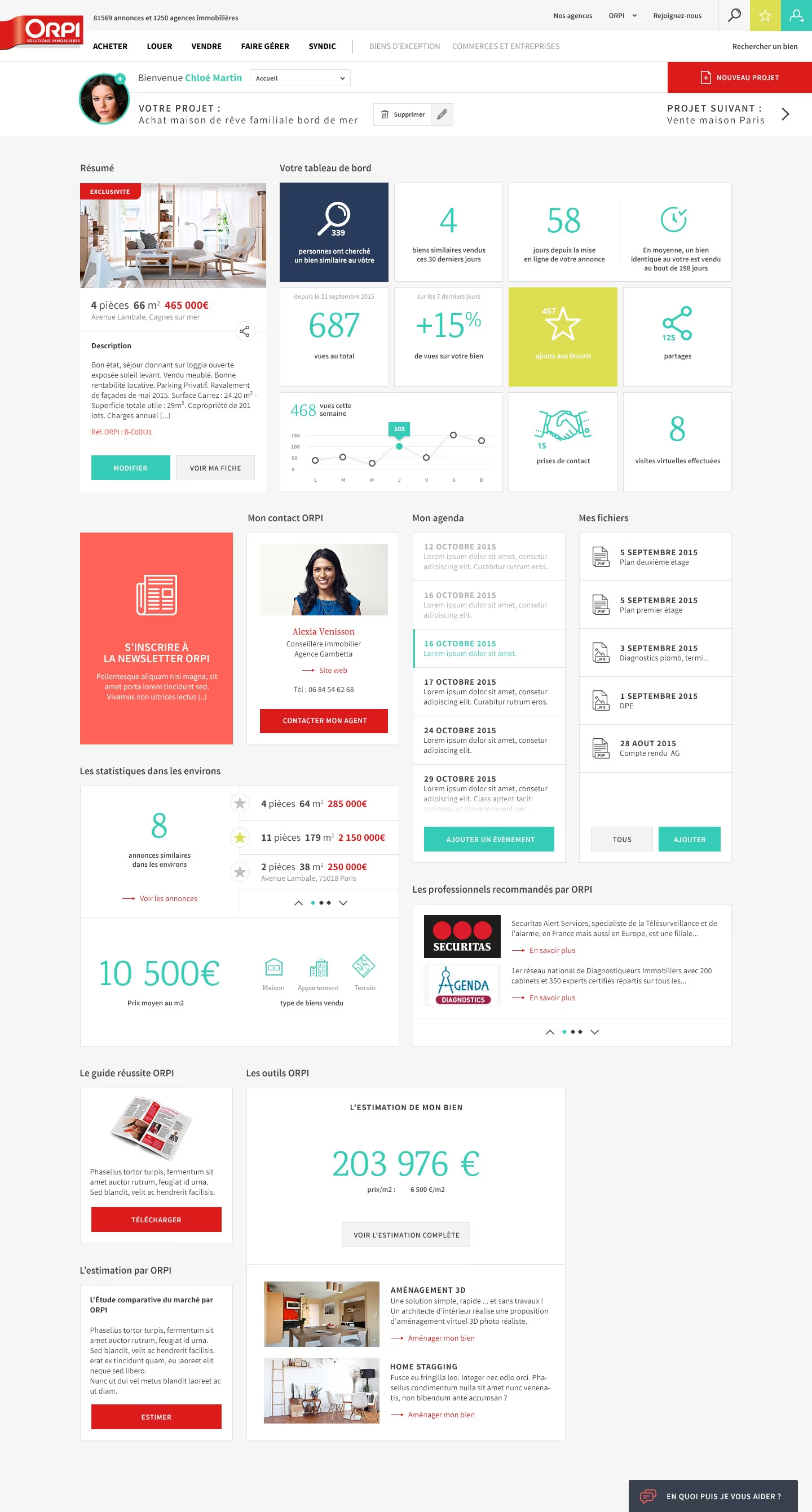
Seller dashboard
Want to discuss this?
Other case studies
Design Jam
TTC Labs
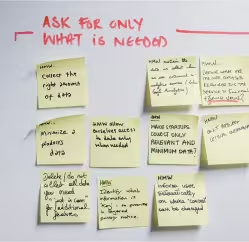
Joint TTC Labs design jam workshop in Paris. Topic for the day: GDPR for startups.

Michelin mobile
DigitasLBI
Provide a sustainable online mobile platform for current and future needs of Michelin US and other entities.
Integration catalog
Contentsquare
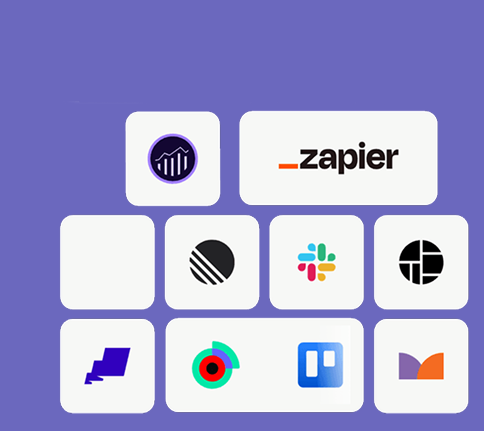
Boost usage and retention with a merged and enhanced catalog of integrations.