Paris Design Jam - GDPR for Startups
Overview
I was invited to participate in TTC Labs' Paris Design Jam as a design expert.
With designers, developers and privacy experts, we used design thinking practices to design potential solutions to solve digital privacy issues for privacy-first products.
Context
Event: Paris Design Jam.
Organizer: TTC Labs
Topic: Privacy by Design & Data Protection
Format: Joint workshop based on design jam methodology
Role
Design Expert
What we did
We moved quickly from abstract privacy concerns to tangible product concepts using TTC Labs's process: four phases, rapid iteration, and collaborative problem-solving.
Framing
We surfaced key challenges: how do users understand their data? What transparency do they need? Where does privacy matter most?
Ideation
We explored ambitious ideas for privacy-first product experiences. Bold sketches on whiteboards, rapid voting, no filtering early.
Prototyping
We sketched and mocked up the most promising directions — fast, lo-fi, testable.
Sharing
Teams demoed prototypes and gathered live feedback from the room. Reflection on what worked, what surprised us.
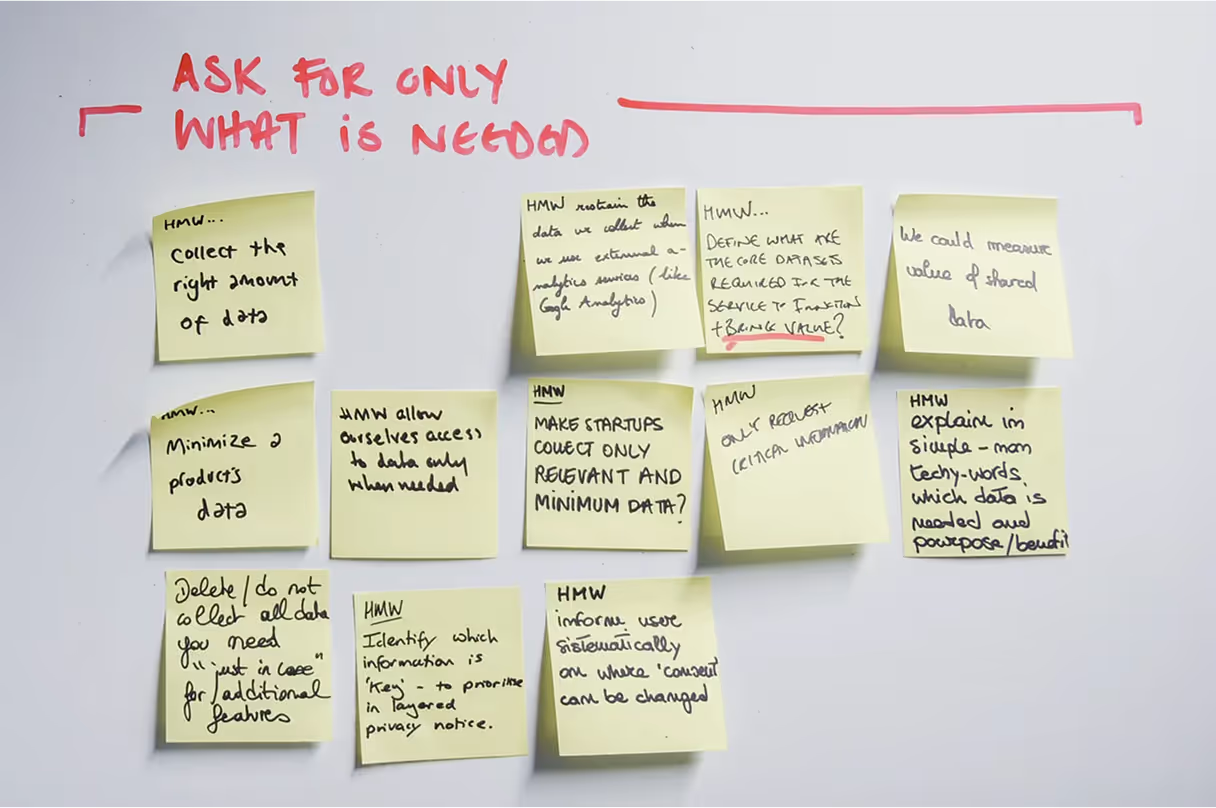
How Might we...?
Expertise & Contributions
I focused on translating abstract privacy concepts into concrete interactions. Made it possible for diverse teams (startups, researchers, designers) to collaborate without friction. Showed how design can balance clarity, simplicity, and respect when handling sensitive data topics.
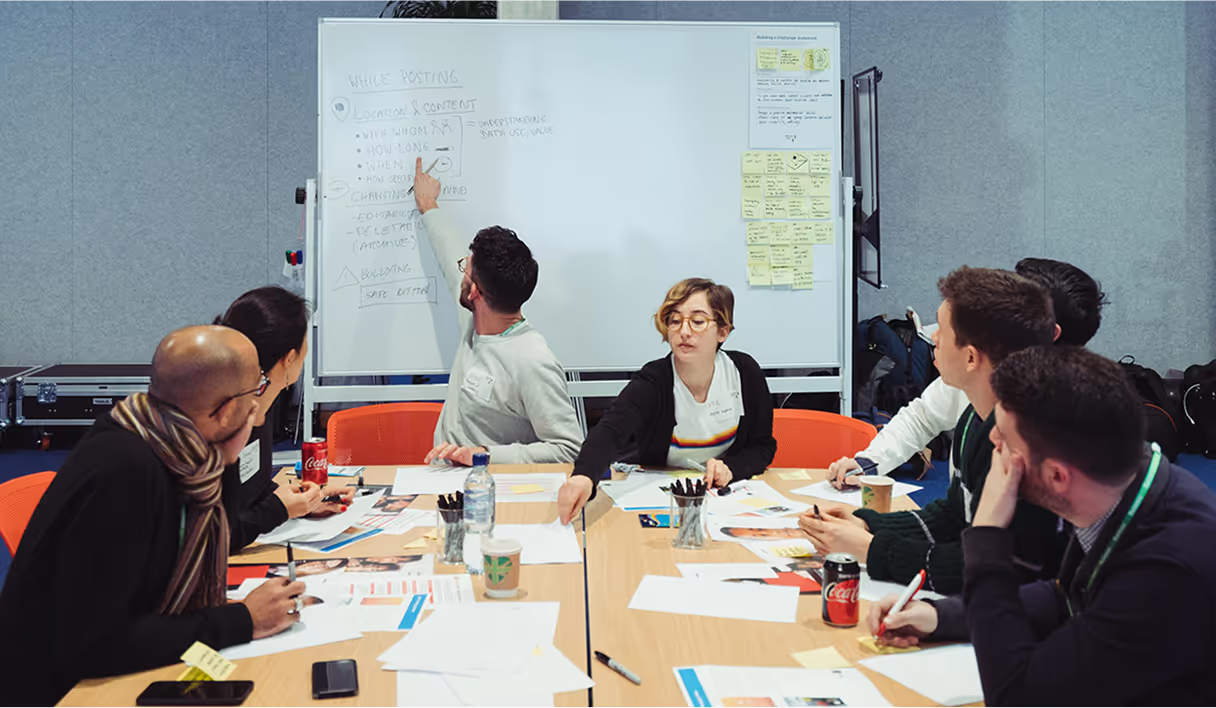
Collaboration
Insights & Learnings
Design as Enabler of Privacy
Design links privacy regulations and end-user understanding of privacy. Designers play a part in making privacy real and operational to the end-user.
Early Integration
A "privacy by design" thinking helps to reach more user-centric solutions: privacy principles should be included in the process from the very beginning and not added later on.
Collaborative Problem-Solving
Cross-functional collaboration proves essential for tackling privacy challenges. Drawing on insights from design, engineering, legal, and privacy domains allows teams to address blind spots that any single discipline might miss.
Innovation through constraint
Privacy restrictions pushed us to explore and consider new design approaches in order to find design solutions.
We successfully turned regulation constraints or roadblocks into drivers of innovation.

Sharing
Future Practice
Privacy as User Experience
Incorporating privacy concerns should naturally be part of the user experience and not something extra or a second thought.
Communication Design
On the whole, privacy design is really communication design—informing users about what's going on with their data and enabling them to make informed decisions.

Focus
Want to discuss this?
Other case studies
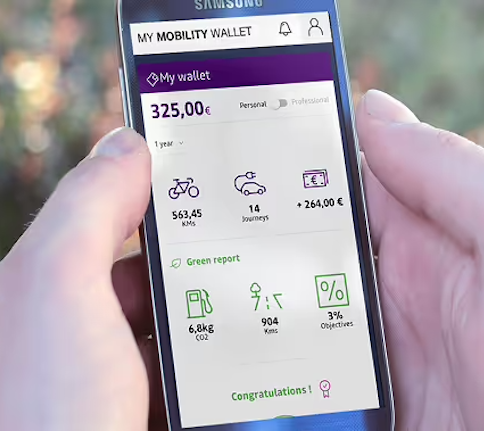
Design sprint: MaaS
Renault Digital
A few days to help pushing forward Renault's Mobility-as-a-Service strategy.

ORPI digital platform
Dagobert
Design of a new ORPI digital platform for better competitiveness.

Michelin mobile
DigitasLBI
Provide a sustainable online mobile platform for current and future needs of Michelin US and other entities.